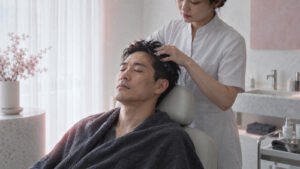








Hair loss is one of the most emotionally significant aesthetic concerns we see in our clinic — and one that is frequently undermanaged. Patients often tolerate gradual change for years before seeking professional advice, partly because they are uncertain whether what they are experiencing is normal, temporary, or worth treating.
In most cases, early assessment changes outcomes meaningfully. Here is what you should know about hair loss in the Singapore context.
Why Singapore Presents Specific Challenges
Singapore's combination of high humidity, intense UV exposure, and dietary habits creates a particular environment for scalp and hair health.
Heat and humidity affect scalp oil production and can contribute to seborrheic dermatitis — a common scalp condition associated with inflammation and, over time, a potential contributor to hair shedding if untreated.
Dietary patterns matter significantly. Iron deficiency — more common in Singapore than often appreciated, particularly in premenopausal women and those following plant-forward diets — is one of the most underdiagnosed drivers of diffuse hair shedding.
Chronic stress is a significant factor in telogen effluvium — a diffuse, temporary form of hair shedding triggered by physiological or psychological stress. Singapore's population carries high work-related stress burdens, and we see a meaningful proportion of hair loss consultations in which stress is the primary or contributing driver.
The Main Types of Hair Loss
Androgenetic alopecia (AGA) — also known as male or female pattern hair loss — is the most common form. It is driven by genetic sensitivity to dihydrotestosterone (DHT), a hormone that progressively miniaturises hair follicles. Men typically experience hairline recession and crown thinning; women more often experience diffuse thinning at the crown and widening of the parting.
AGA responds well to early treatment but cannot be reversed at advanced stages — which is why early consultation is important.
Telogen effluvium is typically a temporary, diffuse shedding that follows a trigger event — illness, significant stress, crash dieting, surgery, or hormonal change (including post-partum). Most cases resolve with time and addressing the trigger, though assessment helps confirm the diagnosis and rule out co-existing conditions.
Traction alopecia results from prolonged tension on the hair — typically from tight hairstyles. This is increasingly seen in younger women and can become permanent if not addressed early.
Treatment Options
The appropriate treatment depends entirely on the correct diagnosis — which is why a proper medical assessment is essential before beginning any hair loss programme.
For androgenetic alopecia, first-line treatments include topical minoxidil and, in suitable candidates, oral medications. In-clinic options include treatments that stimulate follicular activity and support scalp environment. Early intervention offers significantly better outcomes than treatment at advanced stages.
For telogen effluvium, nutritional optimisation (iron, ferritin, vitamin D, zinc) combined with stress management is typically the primary approach. In-clinic supportive treatments may accelerate recovery.
For scalp health concerns (seborrheic dermatitis, scalp inflammation), targeted topical and in-clinic treatments address the underlying environment.
When to See a Doctor
Signs that warrant professional assessment include:
- Noticeable increase in daily hair shedding
- A visible widening of your parting or reduction in ponytail thickness
- Patches of reduced hair density at the crown or temples
- Scalp irritation, flaking, or discomfort accompanying hair loss
- Hair loss following a significant life event (illness, surgery, stress, hormonal change)
Hair loss that is assessed and treated early responds better than loss managed after significant follicular change has occurred. A consultation is simply an assessment — it commits you to information, not treatment.
Book a hair loss consultation to understand the cause of your hair change and explore appropriate treatment options.
Follow Dr Low Chai Ling, Founder and Medical Director of SW1 Clinic
LinkedIn · Substack · Instagram · YouTube · TikTok · lowchailing.com
Follow SW1
Instagram: @sw1clinic, @sw1beauty, @sw1spa, @sw1shopsg · Facebook: SW1 Clinic, SW1 Spa · TikTok · YouTube · LinkedIn · Pinterest · Telegram
More from SW1: SW1 Spa blog · SW1 Shop blog