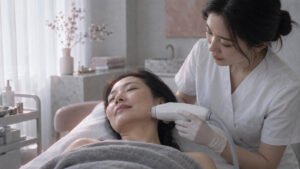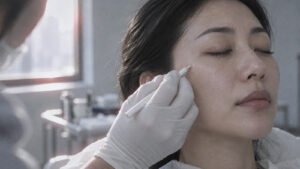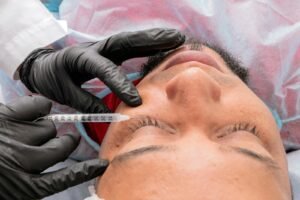








Two skin ideals have been circulating through Singapore beauty conversations for several years. They are often used interchangeably, but they describe genuinely different things. Mochi skin and glass skin share the quality of looking well rested and luminous, but the textures, and the clinical approaches behind them, are distinct.
Understanding the difference matters, because the treatments that support one are not the same as the treatments that support the other.
What is glass skin?
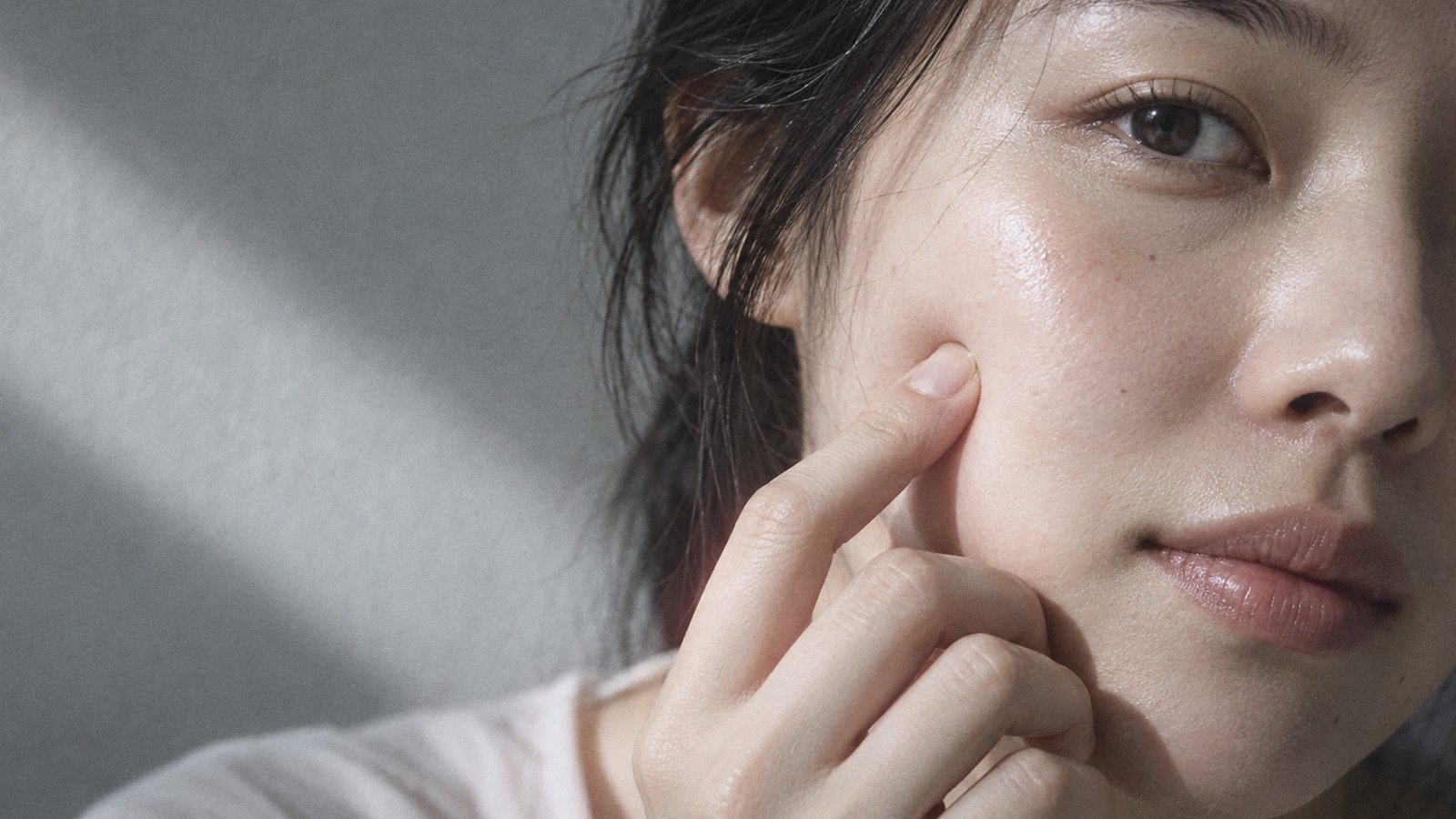
Glass skin refers to a complexion that appears almost translucent, with a high-gloss luminosity and barely visible pores. The surface looks smooth, uniform and reflective, the kind of skin that photographs well without a filter. The Korean beauty concept emphasises clarity above all: minimal redness, even pigmentation and very little textural variation.
Clinically, glass skin is associated with a well-hydrated, refined skin surface. It depends on minimal light scattering from pores or texture, and on an even, consistent distribution of melanin.
What is mochi skin?
Mochi skin describes a plumper, bouncier quality. The name references the soft Japanese rice cake: skin that has a slight resistance when pressed, that appears full and three-dimensional rather than flat, and that looks hydrated from within rather than polished on the surface. The emphasis is on elasticity, volume and a dewy rather than high-shine finish.
Clinically, mochi skin is associated with healthy levels of collagen and hyaluronic acid in the dermis, which give skin its characteristic bounce.
The clinical difference matters
The distinction has real implications for treatment planning. Working towards a glass-skin quality usually means addressing the skin surface: uneven pigmentation, visible pores and texture. Working towards a mochi-skin quality usually means working at a deeper level, supporting dermal hydration and collagen.
In practice, most people do not need to choose one exclusively. The two ideals can be addressed together, but the clinical starting point differs depending on which quality is lacking.
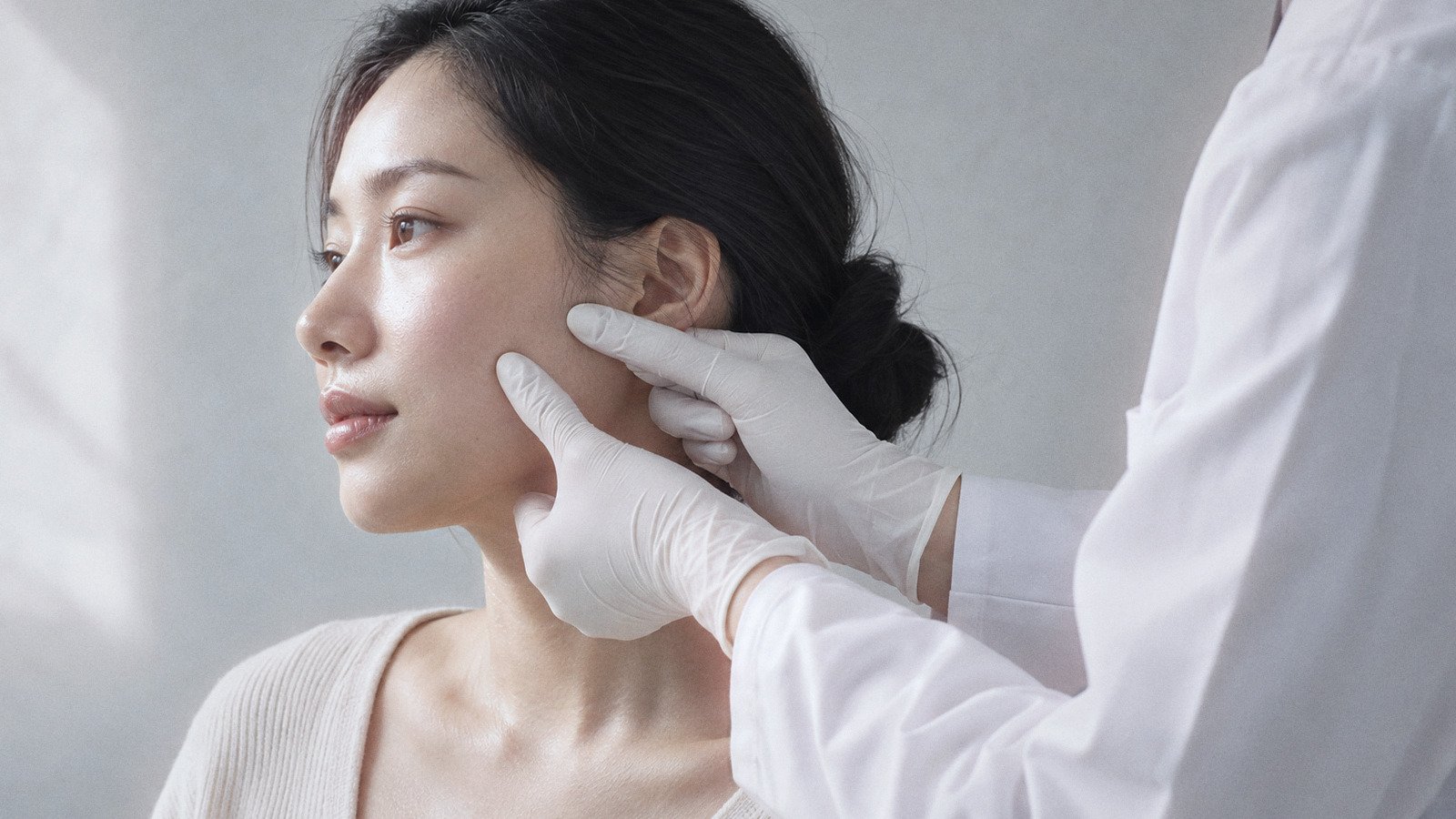
How glass skin is approached at SW1 Clinic
For people whose main concern is clarity, uneven pigmentation, visible pores or dullness, treatment typically focuses on the epidermis and the upper dermis.
BB Aquatouch is a thulium laser designed to target surface pigment and refine the look of pores, which can support a smoother, more even-looking surface.
Quattro Toning works on four concerns in a single session: pigmentation, the look of pores, redness and texture. Downtime is usually minimal.
For deeper pigment concerns, Pigment Eraser uses picosecond laser technology calibrated for Asian skin. The Glass Skin Program brings these approaches together in a structured plan. Results may vary.
How mochi skin is approached at SW1 Clinic
For people whose main concern is plumpness and bounce, treatment focuses on dermal quality.
HeavenGlow is a bio-revitalising treatment designed to support skin luminosity and texture by improving hydration within the dermis.
Baby Drop Fillers are designed for gradual skin enhancement through deep hydration, supporting a naturally plump-looking appearance, with minimal downtime for most people.
Youth Preserve is a bio-remodelling treatment aimed at structural facial rejuvenation and collagen support, the deeper scaffolding that gives skin its bounce. Results may vary.
Between clinic visits, some people also enjoy a non-medical glow facial, and SW1 Spa’s facials by skin concern make it easier to choose one. For home care, SW1 Shop’s brightening skincare is a simple place to start for a more even-looking tone.
What SW1 doctors recommend
The usual clinical answer is that many people need elements of both approaches. Glass skin without bounce can look flat. Mochi skin with pigmentation can still look uneven. The aim is skin that looks clear, even in tone, well hydrated at depth and structurally supported.
A thorough assessment at SW1 Clinic begins with understanding which quality is the priority, and which concern is getting in the way. That conversation is where treatment planning starts.
Book an aesthetic consultation to discuss your skin goals with an SW1 doctor.
Treatments at SW1 Clinic are physician-administered or supervised, and suitability is assessed individually. Results may vary.
Follow Dr Low Chai Ling, Founder and Medical Director of SW1 Clinic
LinkedIn · Substack · Instagram · YouTube · TikTok · lowchailing.com
Follow SW1
Instagram: @sw1clinic, @sw1beauty, @sw1spa, @sw1shopsg · Facebook: SW1 Clinic, SW1 Spa · TikTok · YouTube · LinkedIn · Pinterest · Telegram
More from SW1: SW1 Spa blog · SW1 Shop blog