







By Dr Low Chai Ling, Medical Director, SW1 Clinic Singapore
Something has shifted in the way my patients think about their skin.
Five years ago, most women came to me with a problem to solve. Wrinkles that appeared. Volume that had gone. Skin that no longer looked the way it did in their thirties. The conversation was always reactive — something had changed, and they wanted to address it.
Today, the conversation at SW1 Clinic Singapore is increasingly different.
“I’m 34,” a patient told me recently. “I don’t have any major concerns yet. But I want to start protecting my skin before I have to fix it.”
She is not alone. Across Singapore and Southeast Asia, a new generation of skin-aware women is making a profound shift: from repair to fortification. From reactive to proactive. From waiting until something is wrong to building the conditions that prevent it.
And at the centre of this shift — the treatment category driving much of this change — is PDRN and polynucleotides
The Science of Regeneration: PDRN and Polynucleotides
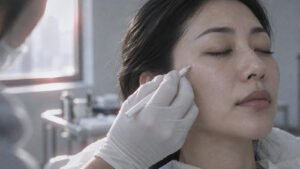
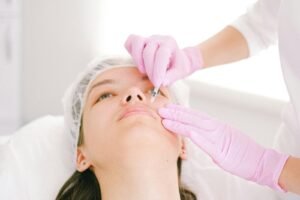
At the centre of this shift — the treatment category driving much of this change — is the rise of PDRN polynucleotides. Derived from salmon DNA, these molecules act as biological primers, sending direct signals to your fibroblasts to ramp up repair and collagen production.
For the “proactive” patient, this is often the ideal entry point because they are not ready for fillers. They aren’t looking to change their facial contours or add volume; they simply want to improve the biological “fitness” of their skin. By focusing on repair at a cellular level, we can maintain the skin’s density and elasticity long before the visible signs of sagging begin to take hold.
Navigating the Regenerative Landscape
As these treatments gain popularity, I often find myself clearing up the confusion surrounding the different “injectable” categories. Patients frequently ask about the differences between a bio-remodeller vs skin booster.
While a skin booster is primarily about deep hydration (think of it as an injectable moisturiser), a bio-remodeller is designed for structural “remodelling” and lifting. Polynucleotides sit in a unique third category: they are “healers.” They don’t just hydrate or lift; they communicate with the skin to reverse damage and thicken the dermis from within. Choosing the right one depends entirely on whether your skin needs more water, more lift, or more repair.
The Next Frontier: Exosomes and Beyond
While PDRN is currently the gold standard for regenerative repair, the field is evolving at a breakneck pace. The most recent breakthrough we are monitoring is exosomes science. If PDRN provides the building blocks for repair, exosomes are the “couriers”—tiny vesicles that carry proteins and growth factors directly to where they are needed most.
By harnessing these cellular messengers, we can achieve even more precise results for difficult concerns like chronic inflammation and advanced photo-ageing. For the patient who wants to stay at the absolute cutting edge of skin health, understanding these biological signals is the key to truly “ageless” skin.
Watch: Whether biostimulators are genuinely different from fillers, or simply renamed: Biostimulators vs Fillers on The Chai Files.
Follow Dr Low Chai Ling, Founder and Medical Director of SW1 Clinic
LinkedIn · Substack · Instagram · YouTube · TikTok · lowchailing.com
Follow SW1
Instagram: @sw1clinic, @sw1beauty, @sw1spa, @sw1shopsg · Facebook: SW1 Clinic, SW1 Spa · TikTok · YouTube · LinkedIn · Pinterest · Telegram
More from SW1: SW1 Spa blog · SW1 Shop blog