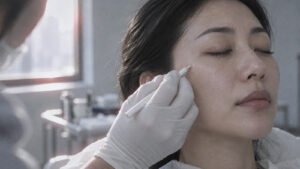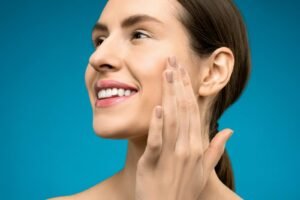







Glass skin has moved from social media into the consultation room. Many people arrive with reference images of skin that appears to have no pores, no shadows and no imperfections, and ask how close they can realistically get.
The honest clinical answer is that reference images are often filtered. But the qualities they represent (clarity, evenness, luminosity and refined pores) can often be improved with a well-planned combination of treatments. The challenge is understanding what is actually holding the skin back from that ideal.
The four factors that stand in the way of glass skin
At its simplest, glass skin needs four things: even pigmentation, refined pores, adequate surface hydration and minimal redness. If any one of these is missing, the skin looks less like glass and more like frosted plastic.
Pigmentation is a frequent barrier. Singapore’s UV exposure is intense all year, and even with diligent sun protection, many people accumulate pigment in the upper layers of the skin over time.
Pores become more visible when they are blocked or when the surrounding skin has lost elasticity. Enlarged pores scatter light and create texture, the opposite of the smooth, glassy surface the ideal describes.
Redness from superficial vessels or low-grade inflammation creates uneven colour that catches the eye.
Dehydration at the surface makes skin look dull and flat rather than luminous, because well-hydrated skin reflects light differently.
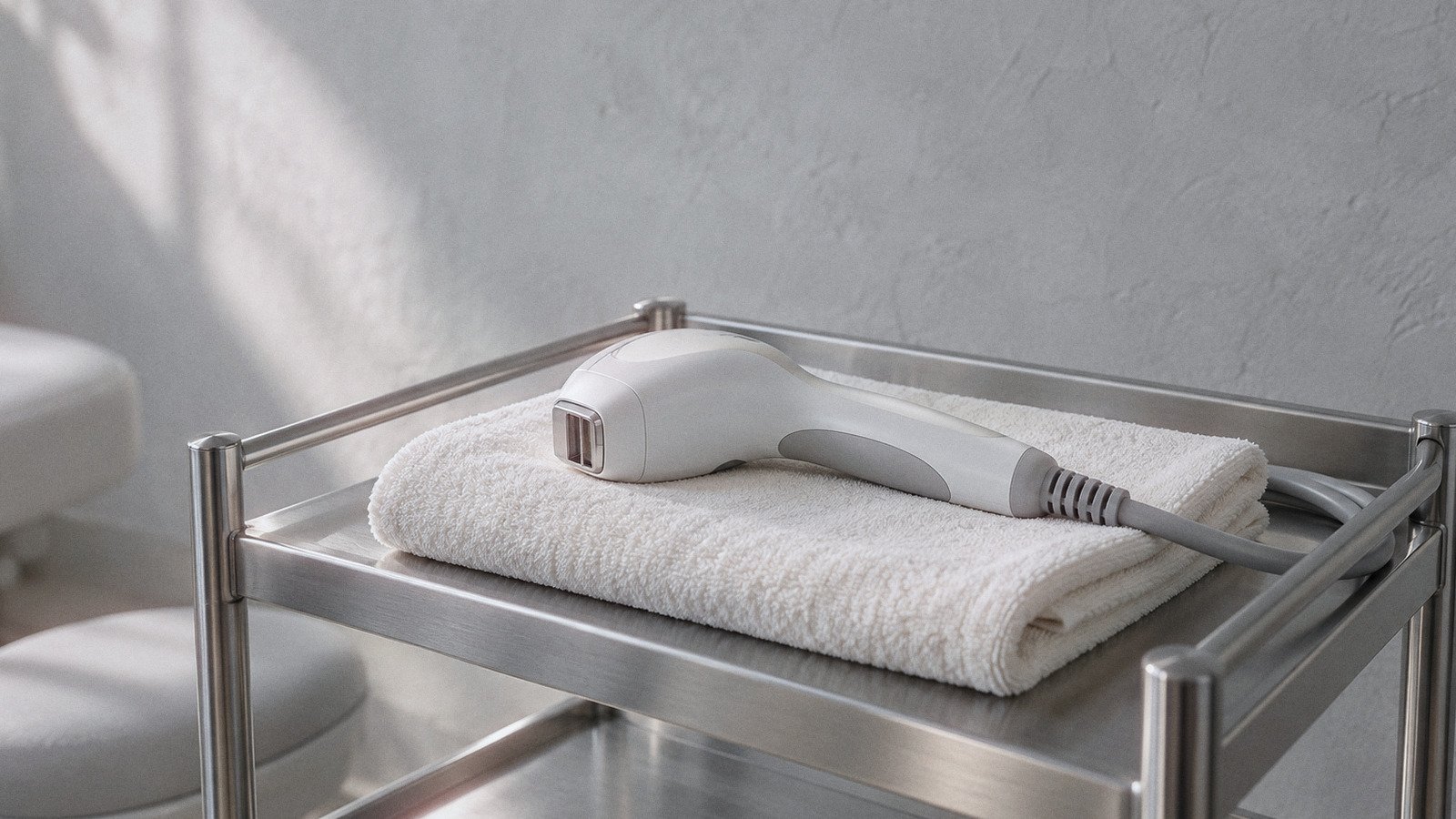
Laser approaches at SW1 Clinic
BB Aquatouch uses thulium laser technology to address surface pigment and the look of pores in the same treatment. It is designed to target pigment in the upper layers of the skin and refine pore appearance, which can help skin look clearer. Results may vary.
Clear Brilliance is a gentle non-ablative fractional laser that may suit people looking for gradual refinement of texture and brightness, and for early signs of ageing, with minimal downtime for most people.
Quattro Toning combines four modes of action, aimed at pigmentation, the look of pores, redness and texture. Downtime is usually minimal.
For deeper or more stubborn pigmentation, Pigment Eraser uses picosecond laser energy calibrated for Asian skin. Results may vary.
Injectable approaches
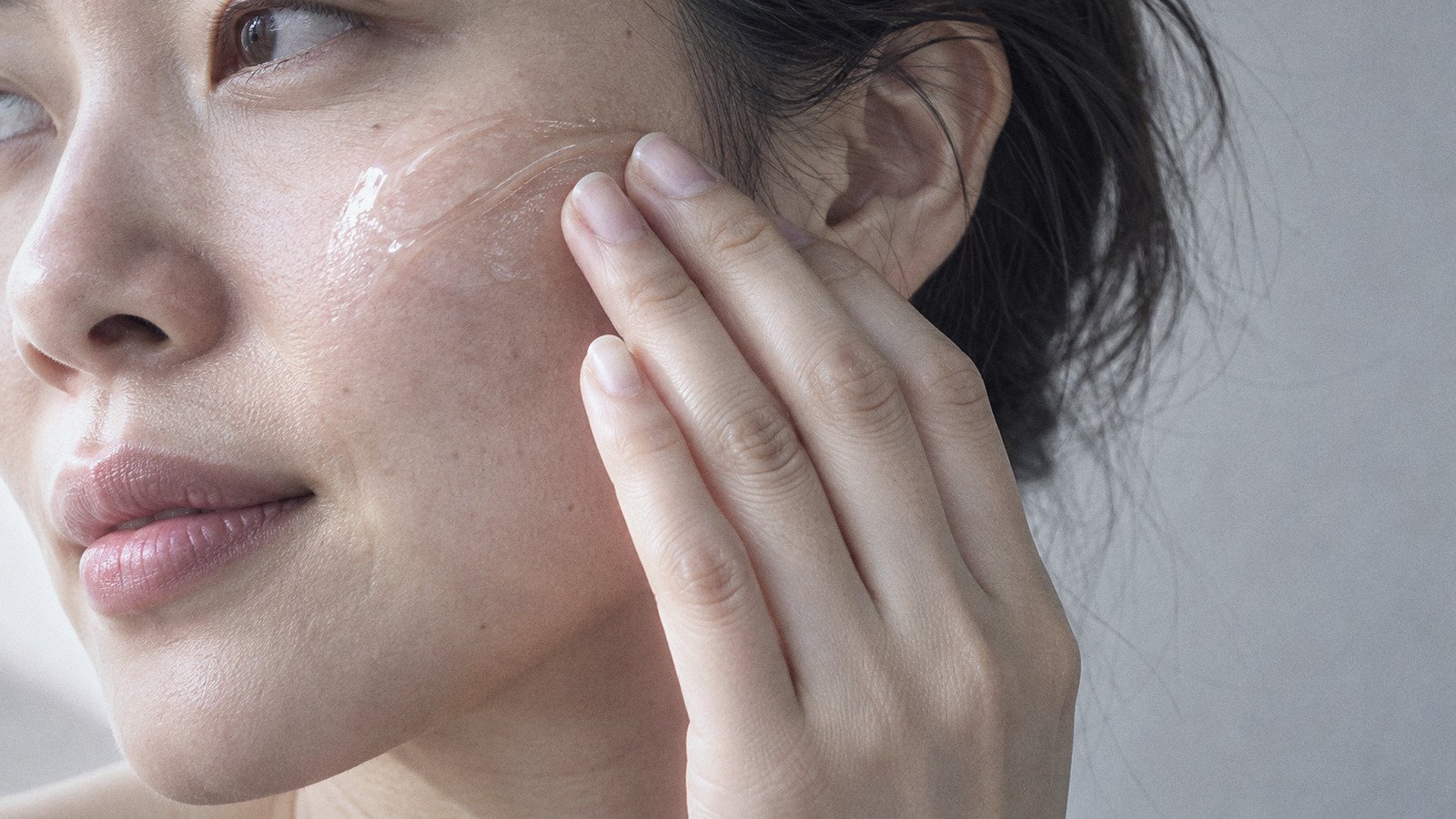
Skin that is well hydrated within the dermis reflects light differently from skin that is dehydrated at that level. This is why surface moisturisers alone rarely produce glass-skin clarity: they work on the surface film, not the deeper reservoir.
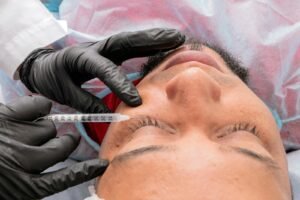
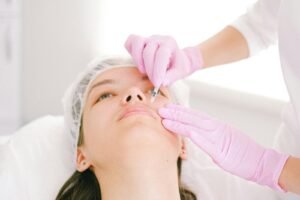
RevitaLift is a hyaluronic acid skin booster delivered as microinjections into the dermis. It is designed to improve hydration at depth, which can contribute to the translucent, lit-from-within look associated with glass skin. Results may vary.
DualShine combines collagen support with a radiance-focused effect in a single treatment, for people who want both clarity and the firmer skin quality that supports a smoother-looking surface.
A programme approach
The Glass Skin Program at SW1 Clinic combines these approaches in a structured sequence designed for gradual, cumulative improvement. Anyone working towards this goal can start with a consultation to identify which of the four factors matters most for their skin before treatment begins.
Alongside clinic care, SW1 Spa’s Aqua.dermabrasion facial focuses on cleansing and hydration for a fresh, polished look, and the ARBUTIN Ampoule from SW1 Shop is a home-care serum for a brighter, more even-looking tone between visits.
Book an aesthetic consultation to start the conversation.
Treatments at SW1 Clinic are physician-administered or supervised, and suitability is assessed individually. Results may vary.
Follow Dr Low Chai Ling, Founder and Medical Director of SW1 Clinic
LinkedIn · Substack · Instagram · YouTube · TikTok · lowchailing.com
Follow SW1
Instagram: @sw1clinic, @sw1beauty, @sw1spa, @sw1shopsg · Facebook: SW1 Clinic, SW1 Spa · TikTok · YouTube · LinkedIn · Pinterest · Telegram
More from SW1: SW1 Spa blog · SW1 Shop blog