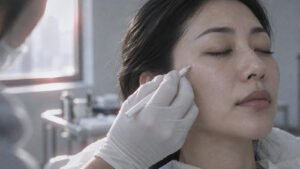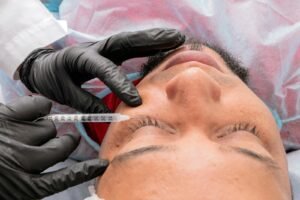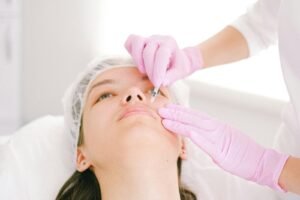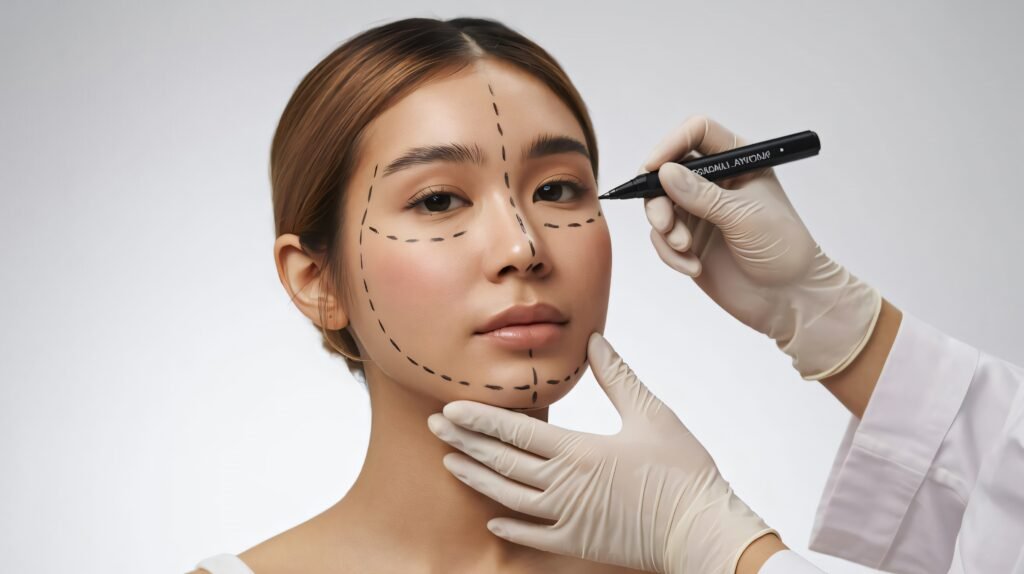








Two patients describe the same problem: dark marks left behind by acne. They look similar. They describe similar frustration. But in one patient, fresh pimples are still forming alongside the marks, while in the other, the acne has largely resolved and only the pigmented aftermath remains. These two situations call for meaningfully different approaches to active acne treatment in Singapore.
Conflating them is one of the most common reasons patients are disappointed by treatment, or why products marketed for both concerns simultaneously tend to address neither well.
Active acne: what is actually happening
Active acne is an inflammatory condition involving the hair follicle. Bacteria thrive in an environment of excess sebum. The follicle becomes blocked. The immune system responds. This sequence (oil, blockage, bacteria, inflammation) produces the visible breakout.
What matters clinically is that active inflammation is ongoing. It is not a residue of past events; it is a current, recurring process. Treatment therefore needs to interrupt the cycle (reducing bacterial load, modulating oil production, and calming the inflammatory response), not simply fade what inflammation has already left behind.
Active acne is also frequently recurring. A patient may have periods of relative clarity followed by clusters of new breakouts. This pattern, particularly in adult women, is often hormonally influenced and may be resistant to topical products alone over time.
Post-inflammatory pigmentation: what is left behind
When active inflammation resolves, it often leaves behind discolouration, typically flat brown or dark marks at the sites of healed breakouts. This is post-inflammatory hyperpigmentation (PIH).
PIH is not acne. The follicle is no longer inflamed. The mark is a consequence of excess melanin production triggered by the original inflammatory event. It will fade on its own over time, but this process is slow, often taking many months, and is significantly worsened by UV exposure.
The good news is that post-inflammatory pigmentation responds relatively well to certain targeted treatments. The challenge is that these treatments are neither necessary nor always appropriate in the presence of active, ongoing inflammation.
Why treating them simultaneously is complicated
Some treatments effective for post-acne marks, particularly resurfacing lasers at higher intensities, can temporarily worsen inflammation and should be approached with care in patients who still have active breakouts. Managing active acne first, or in parallel, tends to produce better long-term results by preventing new marks from forming while existing ones are addressed.
This is where a structured programme with appropriate clinical staging makes a real difference.
The Clarity Programme for active and recurring acne
For patients with ongoing or recurring acne and skin congestion, SW1 Clinic offers the Clarity Programme. This is a structured programme designed for active acne management, combining light-based and laser therapies with a medically supported approach to reducing the bacterial and inflammatory drivers of breakouts.
The programme addresses the cycle of acne at the source rather than simply treating individual pimples as they appear. It is appropriate for patients managing recurring breakouts without consistent resolution, and for those frustrated that surface products are not providing meaningful control.
Patients with both active acne and established post-acne marks may find that managing the active component first (or doing so in staged combination with appropriate pigmentation support) produces more durable results than addressing pigmentation alone.

What to consider at a consultation
At your assessment, our doctors will consider:
- Whether your acne is truly active and recurring, or largely resolved
- The depth, age, and type of your post-acne marks
- Your skin type, tone, and sensitivity
- Previous treatments and their responses
- Hormonal and lifestyle factors where relevant
This clinical picture determines whether treatment should focus primarily on active acne management, pigmentation, or both, and in what sequence.
For homecare support between sessions, the SKN THRPY Niacinamide Power Serum at SW1 Shop is formulated to assist with oil control and surface pigmentation, a relevant addition alongside clinical treatment.
For those who appreciate a complementary spa treatment, SW1 Spa’s Clear Blue facial uses blue light therapy and targeted enzyme cleansing for acne-prone skin maintenance between clinic visits.
Book a skin assessment
If you are managing both active breakouts and their aftermath, a consultation with our medical team is the most effective starting point. We can assess your specific skin picture and recommend an approach appropriate to your current stage.
Book your assessment at SW1 Clinic
Follow Dr Low Chai Ling, Founder and Medical Director of SW1 Clinic
LinkedIn · Substack · Instagram · YouTube · TikTok · lowchailing.com
Follow SW1
Instagram: @sw1clinic, @sw1beauty, @sw1spa, @sw1shopsg · Facebook: SW1 Clinic, SW1 Spa · TikTok · YouTube · LinkedIn · Pinterest · Telegram
More from SW1: SW1 Spa blog · SW1 Shop blog