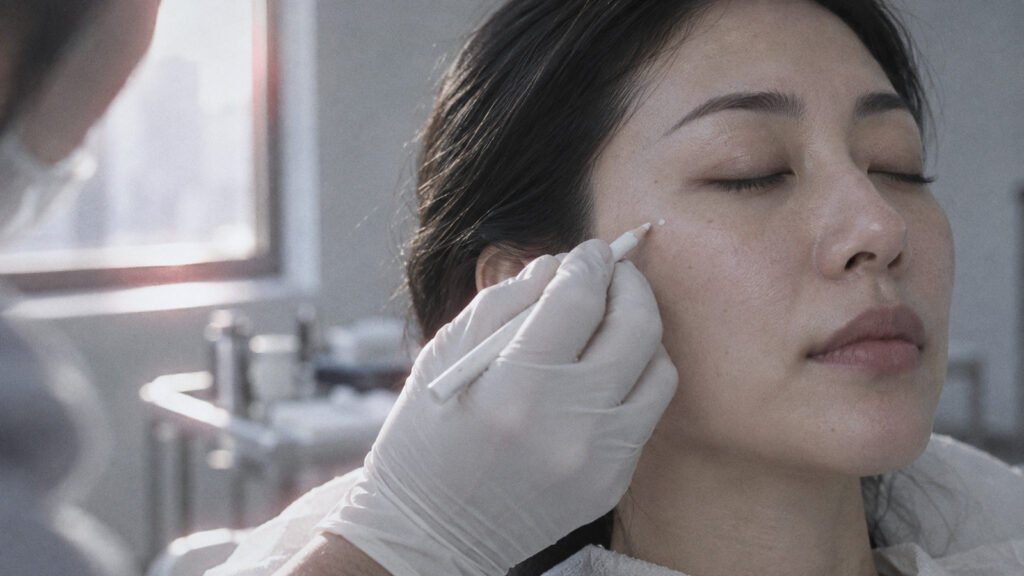



When people describe what makes them look tired, they often point to their eyes.
The periorbital region, the area around the eyes including the upper and lower eyelids, the under-eye area and the outer corners, has some of the thinnest skin on the face. It has fewer oil glands and less fat beneath it, and it moves constantly through the day. These features make it vulnerable to visible change, and they make changes around the eyes especially noticeable to other people.
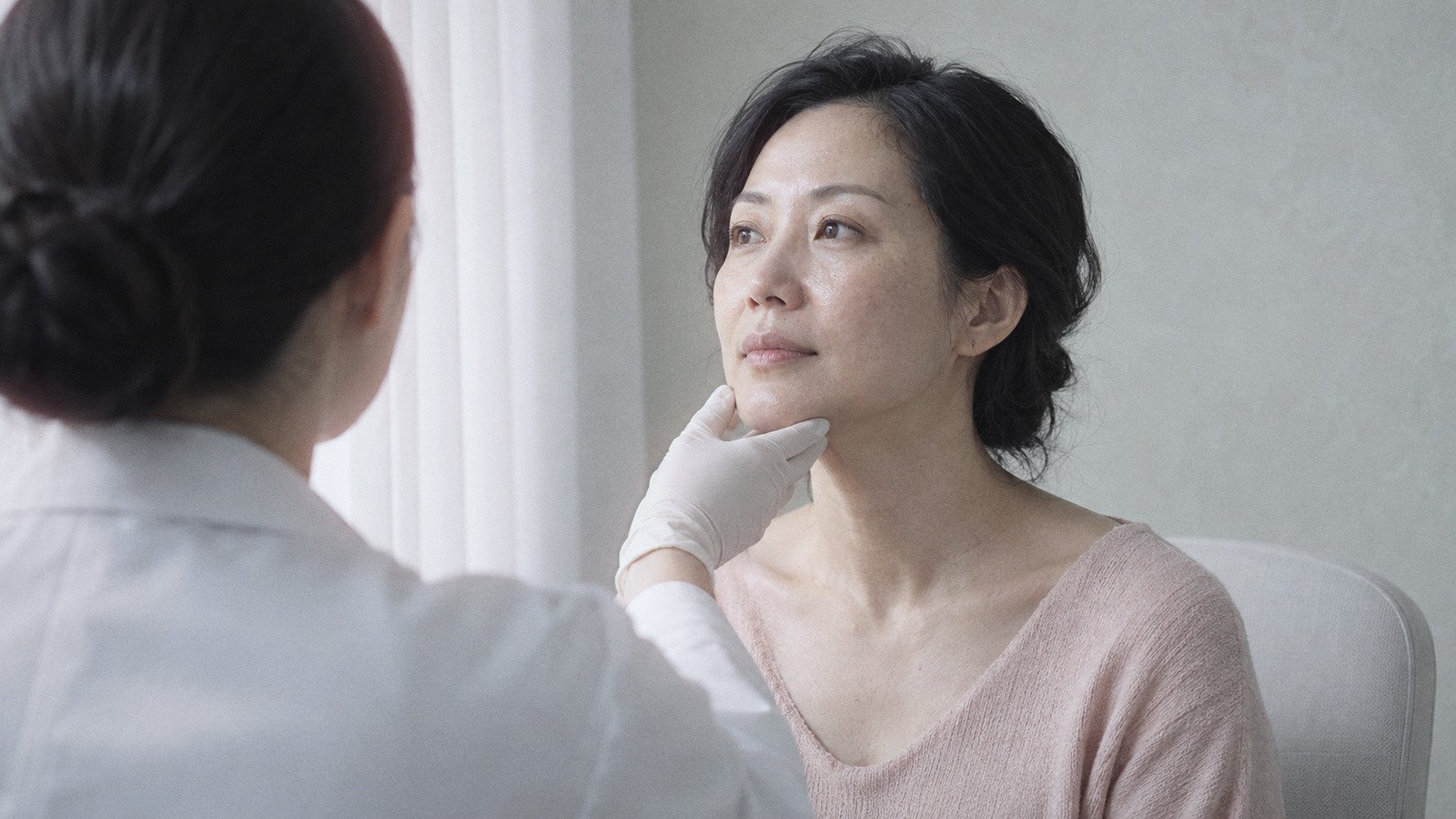
The anatomy of eye-area ageing
The upper eyelid can lose some crease definition over time as the fat around the eye shifts and supporting tissues weaken. Extra skin can develop across the lid, sometimes creating a hooded look that narrows the visible eye and makes the expression look heavier. People often describe this as looking tired even when they are well rested.
The lower eyelid and tear trough can develop a hollow as the fat beneath the eye thins and descends slightly. The resulting shadow can appear at any age and tends to look deeper with dehydration, poor sleep and structural changes in the cheek. Dark circles that do not improve with sleep can be caused by this hollow rather than by pigmentation.
The outer corners develop fine lines, often called crow’s feet, from the action of the muscle that closes the eye with every blink and expression. These are among the earliest lines to appear on the face.
The skin itself can become crepey, thin and finely wrinkled at the surface as collagen in the dermis declines. This may respond to treatments designed specifically for the thin skin around the eyes.
Why the eye area reads age to other people
We read faces largely through the eyes. A heavier upper lid, a shadow under the eye or crepey under-eye skin can change how a face is read, so that it looks tired, older or sad, regardless of how the person actually feels.
This is why small, well-judged changes around the eyes can affect how rested the whole face looks. Results may vary.
How SW1 doctors approach the eye area
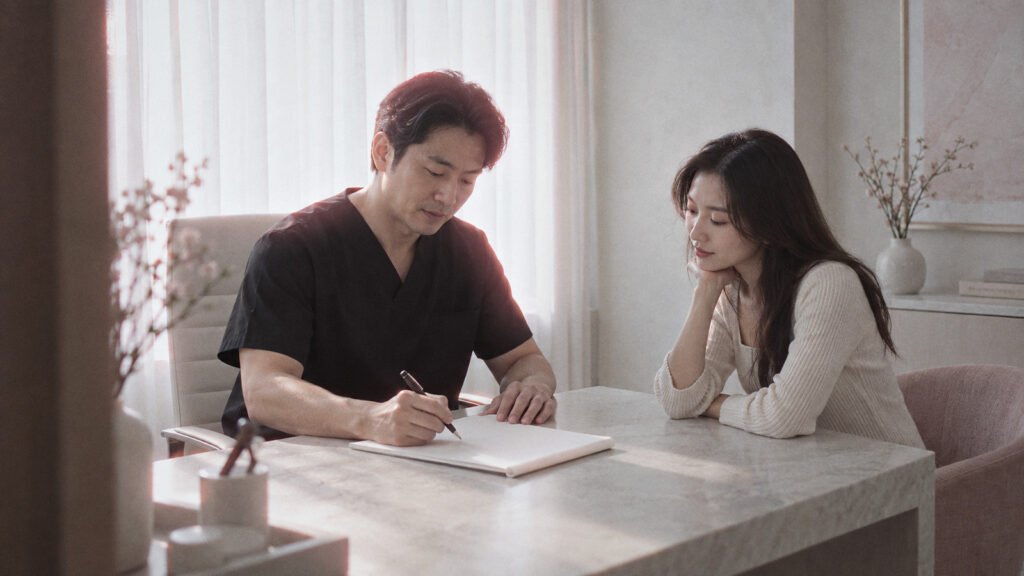
Because each of these changes has a different cause, there is no single eye treatment. An SW1 doctor first assesses which change is behind the tired look, then matches the approach to it.
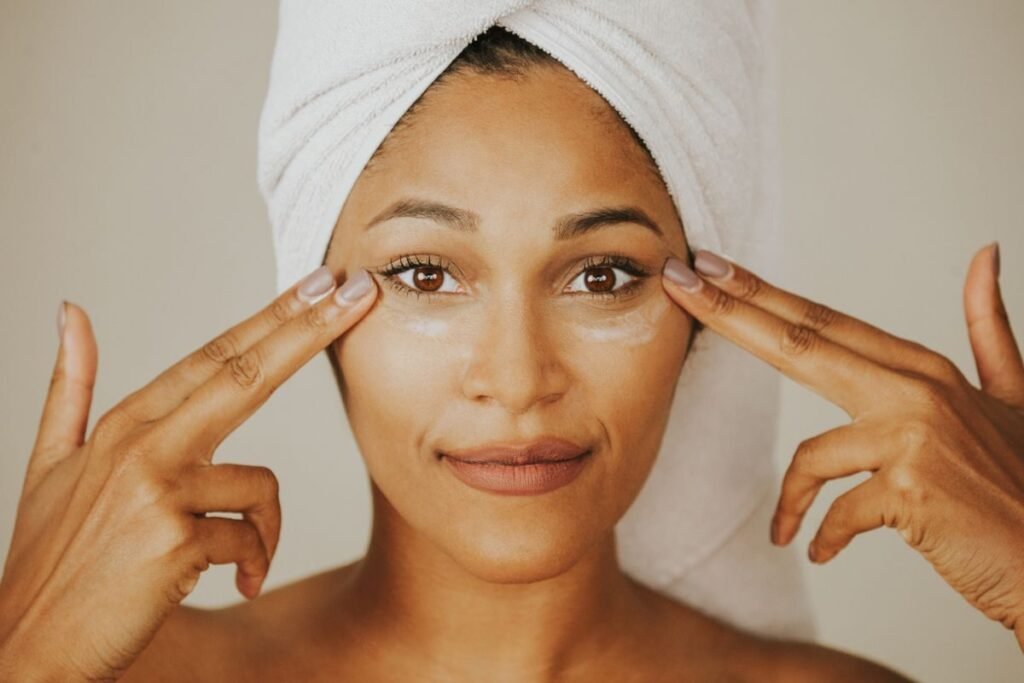
For the under-eye hollow and tired-looking under-eye skin: RevitaLift Eyes is designed for the delicate under-eye area, where dehydration, crepiness and early hollowness combine. It is doctor-administered, with careful technique suited to thin tissue. Minor marks or swelling can occur for a short time.
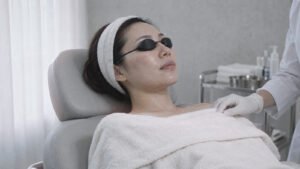
For upper eyelid laxity: Thermatight Eyes uses radiofrequency energy designed to tighten upper eyelid skin without surgery, with protective eye shields in place during treatment. Mild redness and swelling of the eyelids usually settle within a day or two, and fuller changes develop over six to twelve weeks. Results may vary.
For crepey eyelid skin: PlasmaGlow Eyelift uses nitrogen plasma energy, rather than light, for thin, crepey skin on the upper and lower eyelids. Results may vary.
For crepey texture and fine lines under the eye: SmartX Lite Eyes is a fractional CO2 laser calibrated for the delicate eye area, designed to address crepey texture, fine lines and under-eye skin quality. There is usually mild pinkness for about a day. Results may vary.
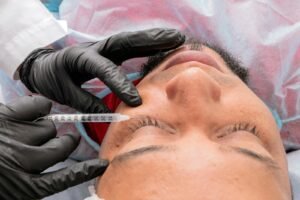
For crow’s feet: Anti-wrinkle injections at the outer corners are a well-established approach, designed to relax the muscle movement that creates these lines. Results may vary.
Three eye programmes, by concern
For people with more than one concern, SW1 Clinic offers three structured eye programmes. The Eye Illuminator Program is designed for dark circles and a tired-looking under-eye area. The Blink Bliss Bootcamp Program focuses on under-eye skin quality: fine lines, dehydration and elasticity. The Miracle Eye Reviver Program is designed for eyelid laxity and a more open-looking eye contour. Your doctor will advise whether a programme or a single treatment suits you.
What eye-area treatment aims for
The aim is rarely dramatic change. It is usually to soften the cues that make a face look tired or stressed, while keeping it looking like you.
Eye care can continue between clinic visits too. SW1 Spa’s Golden Eye is a 30-minute eye-area treatment, and the LIQUID GOLD Eye Illuminating Serum from SW1 Shop is a lightweight eye serum for a brighter, more rested-looking eye area.
Book an aesthetic consultation to discuss your eye area with an SW1 doctor.
Treatments at SW1 Clinic are physician-administered or supervised, and suitability is assessed individually. Results may vary.
Follow Dr Low Chai Ling, Founder and Medical Director of SW1 Clinic
LinkedIn · Substack · Instagram · YouTube · TikTok · lowchailing.com
Follow SW1
Instagram: @sw1clinic, @sw1beauty, @sw1spa, @sw1shopsg · Facebook: SW1 Clinic, SW1 Spa · TikTok · YouTube · LinkedIn · Pinterest · Telegram
More from SW1: SW1 Spa blog · SW1 Shop blog