







There is a moment in many aesthetic consultations that goes something like this: a patient in their 40s sits across from us, points to a particular area of concern, and says: "I wish I had come ten years ago."
It is one of the most common things we hear. And it is also, increasingly, preventable.
The concept of preventive aesthetics — treating skin ageing before it becomes visible and established — is not a new idea in medicine. Preventive logic underpins everything from sunscreen use to cholesterol management. In aesthetic medicine, however, it has historically been overlooked in favour of corrective treatments: procedures that address changes after they have occurred.
That is changing. As patients become more medically literate and as treatments become more refined, a growing cohort of people in their 20s and 30s are approaching aesthetic care the way they approach their health: with early, targeted investment.
Why Ageing Doesn't Wait for 40
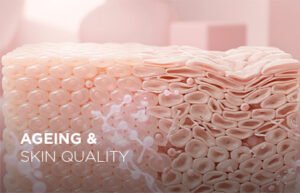
Skin ageing is a continuous biological process that begins in early adulthood. Collagen production — the protein that gives skin its firmness and structural integrity — peaks in the early 20s and declines steadily thereafter. Elastin follows a similar trajectory.
These changes do not become visible immediately. The skin has reserves. But by the time volume loss, laxity, or deep lines are apparent to the naked eye, the underlying biological changes have been accumulating for years — sometimes decades.
This is the fundamental argument for preventive aesthetics: the visible signs of ageing are the lagging indicators. The real work happens invisibly, earlier.
What Preventive Aesthetics Actually Looks Like
Preventive aesthetic treatment does not mean dramatic intervention at 25. It means making informed, proportionate choices appropriate to your age and skin biology.
For most patients in their late 20s to early 30s, this looks like:
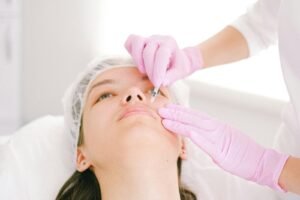
Skin quality treatments. Bio-remodelling injections such as Youth Preserve stimulate collagen and elastin production, maintaining the skin's structural biology before significant loss has occurred. Starting at this stage means the skin has more to work with.
Sun protection and medical-grade skincare. The single highest-impact preventive intervention remains consistent, broad-spectrum SPF use. Medical-grade formulations with antioxidant support offer meaningful added protection against photoageing.
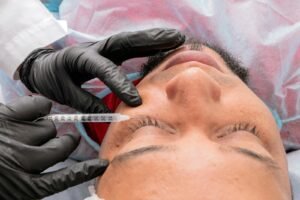
Muscle relaxant treatments. Small, conservative amounts of neurotoxin used in the upper face can prevent dynamic expression lines from becoming etched static lines over time. The key word is "conservative" — the goal is natural movement with reduced line formation, not frozen expression.
Skin tone and texture maintenance. Treatments like Quattro Toning address surface-level concerns (pigmentation, pore appearance, texture) before they become established — and the response to treatment is typically stronger in younger skin.
The Investment Argument
A question we hear regularly: "Isn't it expensive to start early?"
The honest medical economics look like this. Well-maintained skin in your 30s requires less aggressive intervention later. Corrective treatments — for established volume loss, deep rhytids, or significant laxity — are typically more complex, more expensive, and deliver results that are harder to achieve when working against a larger deficit.
Starting early is not spending more. It is spending differently — and typically more efficiently over time.
What Preventive Aesthetics Is Not
- It is not about chasing youth aggressively. Preventive aesthetics is about maintaining the best version of your natural appearance, not manufacturing an artificial one.
- It is not cookie-cutter. A good preventive programme is built around your individual skin biology, lifestyle, and goals — not a standardised protocol.
- It is not permanent commitment. Treatments can be paused, modified, or stopped. Most patients find that consistent, moderate maintenance over time feels natural rather than burdensome.
When to Start a Conversation
The honest answer is: earlier than you think, but the timing is individual.
If you are in your late 20s or 30s and noticing any of the following, a consultation is worth considering:
- Skin that looks less "alive" or hydrated than it once did
- Early fine lines around the eyes or forehead
- Changes in skin tone or texture you want to address proactively
- A general sense of wanting to maintain your skin rather than chase corrections later
A consultation does not commit you to treatment. It commits you to information — and the ability to make decisions about your skin from an informed position.
Book a consultation to discuss a preventive aesthetics plan tailored to your skin and stage.