


Collagen Loss After 40: What’s Really Happening to Your Skin and How to Rebuild It
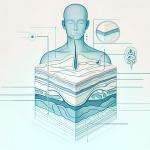
Collagen is the most abundant protein in the human body and the structural foundation of healthy skin. It is what gives young skin its firmness, its bounce, and its ability to snap back after being stretched. However, a core reality of facial ageing biology is that from the age of 25, you begin to lose approximately 1% of this vital protein every year.
By 40, that is a 15% reduction. By 50, the loss is accelerating — particularly in women navigating menopause skin changes, who can lose up to 30% of their dermal collagen in the first five years after oestrogen levels drop.[1] The result is skin that is visibly thinner, less firm, more prone to wrinkling, and slower to recover from damage.
“Collagen loss after 40 is not just about wrinkles — it’s about structural support. The scaffolding of your skin starts to give way. The good news is we now have treatments that genuinely stimulate new collagen production, not just fill the gap temporarily.”
— Dr Low Chai Ling, SW1 Clinic
What Collagen Loss Actually Looks Like
The effects of collagen depletion are wide-ranging:
- Deepening of nasolabial folds and marionette lines
- Jowling and loss of jawline definition
- Crepey texture, particularly around the eyes, neck, and décolletage
- Increased visibility of blood vessels (thinner skin)
- Slower healing and more visible scarring
- Loss of overall facial volume
What Actually Rebuilds Collagen
Bio-Stimulators: The Gold Standard for Collagen Induction
Injectable bio-stimulators — including poly-L-lactic acid (PLLA) and calcium hydroxylapatite (CaHA) — work by triggering the skin’s own fibroblasts to produce new collagen. Unlike hyaluronic acid fillers which add volume directly, bio-stimulators prompt the body to rebuild its own structural proteins. Results develop gradually over three to six months as new collagen forms, and can last two or more years.
Radiofrequency Treatments
RF energy heats the deep dermis to a controlled temperature that denatures existing collagen fibres and triggers a wound-healing response — producing new, organised collagen over the following months. RF microneedling combines this with direct dermal penetration for enhanced results, improving both skin texture and firmness.
PDRN and Polynucleotides
PDRN (polydeoxyribonucleotide) is derived from salmon DNA and has been shown to activate growth factor receptors involved in collagen synthesis. It is increasingly used both as an injectable treatment and topically, with strong evidence for improving skin hydration, elasticity, and overall quality.
Retinoids: The Best-Evidenced Topical
Topical retinoids (vitamin A derivatives) are the most extensively studied topical agents for stimulating collagen production and reducing the visible signs of ageing. They increase cell turnover, stimulate fibroblast activity, and reduce the degradation of existing collagen by MMP enzymes. Consistent use over months produces measurable results.
What Has Weak Evidence: Collagen Supplements
Oral collagen supplements are aggressively marketed, but the evidence for their efficacy remains modest. Ingested collagen is broken down into amino acids during digestion — whether these are preferentially directed back to skin collagen synthesis is still debated. Some hydrolysed collagen peptide studies show minor improvements in skin elasticity, but effects are far more limited than clinical treatments.
The Dietary Foundation
While supplements have limited evidence, dietary foundations genuinely matter. Vitamin C is a cofactor essential for collagen synthesis — deficiency directly impairs collagen production. Adequate protein intake provides the amino acid building blocks (glycine, proline, hydroxyproline). Zinc supports the enzymes involved in collagen formation. An anti-inflammatory diet reduces the oxidative stress that degrades existing collagen.
A Combined Approach Is Most Effective
The most meaningful results come from combining clinical collagen-stimulating treatments with a consistent topical regimen and a diet that supports collagen biosynthesis. Understanding the fundamental facial ageing anatomy is key; because ageing affects everything from surface texture down to deep structural proteins, no single intervention is sufficient. Instead, a targeted combination of these pillars can produce genuinely significant and lasting improvements.
To find out which collagen-rebuilding treatments are appropriate for your skin, book a consultation at SW1 Clinic. WhatsApp us at +65 8218 3273.
References
- Varani J et al. Decreased collagen production in chronologically aged skin: Roles of age-dependent alteration in fibroblast function and defective mechanical stimulation. Am J Pathol. 2006;168(6):1861–1868.
Related reading: why melasma keeps coming back in Singapore


The part about oral collagen supplements having weak evidence is something I needed to read. I’ve been spending so much on collagen drinks every month. Would love to know what SW1 recommends instead.
I started noticing changes at 42 and everyone told me it was just aging naturally. This article makes me feel like there are actually things I can do rather than just accepting it.
So interesting about poly-L-lactic acid — I’ve heard of this but always thought it was just a filler. Didn’t realise it actually stimulates your own collagen. Mind slightly blown.
The vitamin C + protein + zinc diet point is great. Are there specific foods you’d recommend or is supplementation needed for most people?
43 here and this article made me finally book that consultation I’ve been putting off for two years. Better late than never I suppose!