


Body Skin Laxity
What Is Body Skin Laxity?
Body skin laxity refers to looseness or reduced firmness in areas such as the abdomen, arms, thighs or knees. It may appear after weight changes, pregnancy or natural ageing.
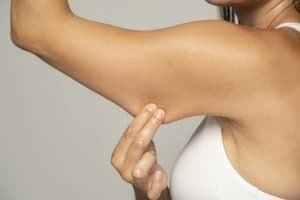
Unlike facial laxity, body skin laxity often involves larger surface areas and reduced collagen density over time. Skin may appear less tight, less elastic or mildly sagging.
Why Does Body Skin Become Loose?
Several biological and lifestyle factors contribute:
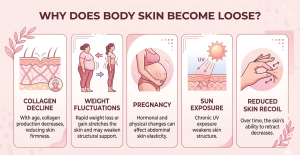
The degree of laxity varies depending on age, genetics and skin thickness.
What Should Be Targeted?
Effective treatment should focus on:
- Stimulating collagen production
- Improving dermal thickness
- Enhancing elasticity
- Supporting gradual tightening
- Preserving natural skin texture
Surface tightening alone may not provide lasting improvement if deeper collagen support is not addressed.
The SW1 Medical Approach
At SW1 Clinic, body skin laxity is assessed based on severity, location and skin quality.
Our doctors evaluate:
- Degree of looseness
- Skin thickness
- Area involved
- Patient goals
Treatment plans are designed to improve firmness progressively while maintaining natural appearance.
Recommended Treatments & Programs
For patients concerned with body skin laxity or reduced firmness, SW1 Clinic may recommend:
ONDA Coolwaves
A non-surgical body contouring treatment that uses microwave technology to target stubborn fat and support skin tightening. ONDA Coolwaves may help improve firmness while refining body contour in areas such as the abdomen, thighs and arms. Read more
Magnetic Muscle Sculpting
A muscle-conditioning treatment designed to stimulate deep muscle contractions. By improving muscle tone and support beneath the skin, it may enhance overall firmness and definition. Read more
All treatment plans are personalised following medical consultation based on treatment area, skin quality and individual goals.
This content is for educational purposes and does not replace a medical consultation. Individual treatment recommendations vary based on skin condition, anatomy and medical assessment.


