


Why Your Skin Changes So Dramatically Around Menopause — And What Actually Helps
Many women describe it the same way: they wake up one day, look in the mirror, and barely recognise their skin. Not a gradual change — but something that seemed to happen almost overnight. More lines. Less glow. Drier. Somehow both saggier and less plump at the same time.
This is not imagination. The skin changes of perimenopause and menopause are real, rapid, and driven by a specific biological cascade. Understanding what is happening — and what can genuinely help — is the first step.
What Oestrogen Does for Your Skin
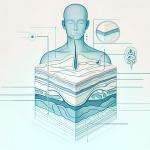
Oestrogen plays a fundamental role in skin health. It stimulates collagen and elastin production, supports the skin’s moisture-retaining capacity, maintains sebaceous gland activity, and promotes wound healing. When oestrogen levels decline — as they do progressively through perimenopause — every one of these functions is affected.[1]
The numbers are stark. Women can lose up to 30% of their dermal collagen in the first five years after menopause.[2] Skin thickness decreases. The barrier function weakens. Transepidermal water loss increases, leading to chronic dryness. Wound healing slows.
“What surprises my patients most is how quickly skin changes around perimenopause. It’s not gradual — women describe it as almost overnight. Oestrogen plays a massive role in skin hydration and collagen synthesis, and when it drops, the skin responds immediately. The good news is there are very effective ways to intervene.”
— Dr Low Chai Ling, SW1 Clinic
The Changes You May Notice
- Increased dryness and sensitivity — the skin barrier is less robust, moisture escapes more easily
- More pronounced lines and wrinkles — particularly around the mouth, eyes, and forehead
- Loss of firmness — reduced collagen and elastin means skin no longer bounces back
- Dullness — slower cell turnover means dead skin accumulates faster
- Changes in pigmentation — oestrogen decline can worsen existing melasma or trigger new pigmentation
- Thinning skin — particularly noticeable around the eyes and neck
What Actually Helps: Evidence-Based Treatments
Skin Boosters
Injectable hyaluronic acid skin boosters restore deep hydration and improve skin texture from within. Unlike topical moisturisers, they work at the dermal level — addressing the root cause of menopausal skin dryness rather than just the surface.
Bio-Remodellers
Bio-remodellers use a high concentration of hyaluronic acid to stimulate the skin’s own collagen and elastin production. For women experiencing the structural changes of menopause — loss of firmness, early laxity, thinning — bio-remodellers address the underlying biology rather than masking its effects.
Energy-Based Treatments
HIFU (High-Intensity Focused Ultrasound) and RF (Radiofrequency) treatments stimulate deep collagen remodelling and provide lifting and tightening effects particularly valuable during this phase of life.
Topical Retinoids
Retinoids (vitamin A derivatives) remain the most evidence-based topical intervention for ageing skin. They increase cell turnover, stimulate collagen synthesis, and improve both texture and pigmentation. Menopausal skin, being more sensitive and prone to dryness, benefits from careful introduction of retinoids — starting low and slow.
The Lifestyle Foundation
Sleep, stress management, and nutrition all have a measurable impact on skin during menopause. Adequate protein intake supports collagen synthesis. Foods rich in antioxidants reduce oxidative stress. Consistent sun protection slows further collagen degradation.
A Note on Hormonal Health
For women experiencing significant symptoms of menopause — not just skin changes, but hot flashes, sleep disruption, mood changes — a conversation with a gynaecologist or menopause specialist about hormonal options is also worthwhile. Addressing the hormonal root cause can have downstream benefits for skin as well.
You Are Not Just “Ageing”
The changes of menopause are real and significant. But they are also highly treatable. Women in their 50s today have access to a range of evidence-based interventions that can genuinely maintain skin quality — not by turning back the clock, but by working intelligently with what your biology is doing.
To find out which approach is right for your skin, book a consultation at SW1 Clinic. WhatsApp us at +65 8218 3273.
References
- Lephart ED. Skin aging and oxidative stress: Equol’s anti-aging effects via biochemical and molecular mechanisms. Biomed Pharmacother. 2016;77:209–219.
- Rzepecki AK et al. Estrogen-deficient skin: The role of topical therapy. Int J Womens Dermatol. 2019;5(2):85–90.


This is EXACTLY what happened to me. 49 years old and within about 6 months my skin just… changed. Suddenly drier, more wrinkles, less glow. I thought I was imagining things. So glad there’s actual science behind it.
The stat about 30% collagen loss in 5 years is frightening but also makes me feel validated — I’m not being dramatic when I say my skin looks so different now. Thank you for this.
I’ve started using retinoids as mentioned but finding them very drying. Is there anything gentler that still works? Would love to know if the skin boosters mentioned would help with the dryness.
I wish doctors talked more openly about how menopause affects the WHOLE body including skin. My GP just gave me pamphlets. This article is more helpful than anything I’ve been given.
Just turned 50 and this article felt like it was written for me. Sharing with all my friends in the same boat. Finally something practical and not just ‘drink more water’.